首届CUNJC科普开放日举办:让科学走近公众,让好奇启发探索

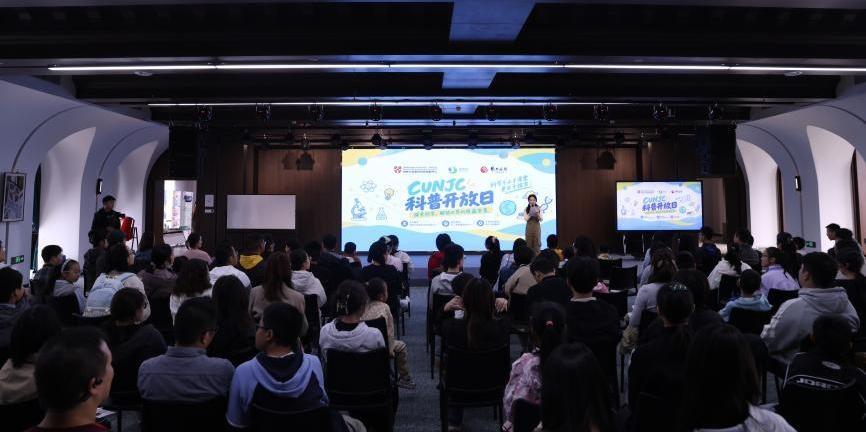
10月24日,剑桥大学南京科技创新中心(CUNJC)联合长三角物理研究中心、鄂尔多斯集团举办首届CUNJC科普开放日,吸引220多组家庭参与,其中主要为初高中学生。中心以公益、零门槛的形式开放科研空间,通过科技沙龙、实验演示和动手体验,让公众近距离感受科学,激发青少年的探索兴趣。
实验与互动:边体验,边发现
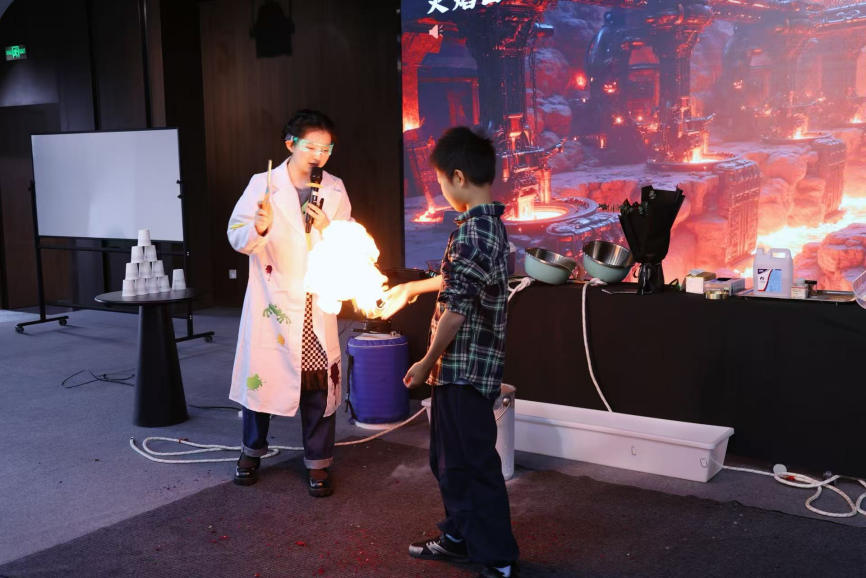
悬浮在轨道上的超导材料,引来同学们凑近观察;《奇幻科学行》科学秀中,液氮实验升起的云雾,让现场响起阵阵惊叹;《空气的力量》科学秀则通过“空气炮”等实验,让看不见的空气展现出力量。直观的科学现象与现场讲解相结合,引导参与者从“看到了什么”进一步思考“为什么会这样”。
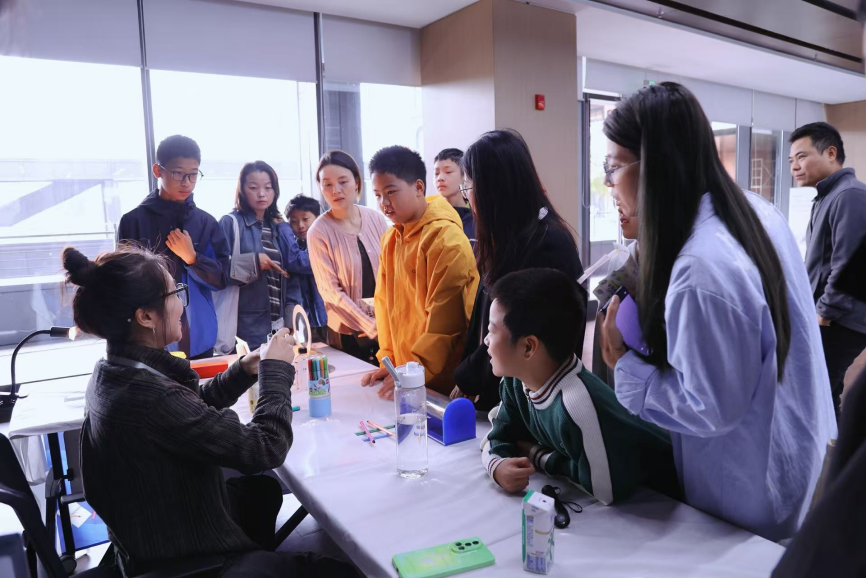
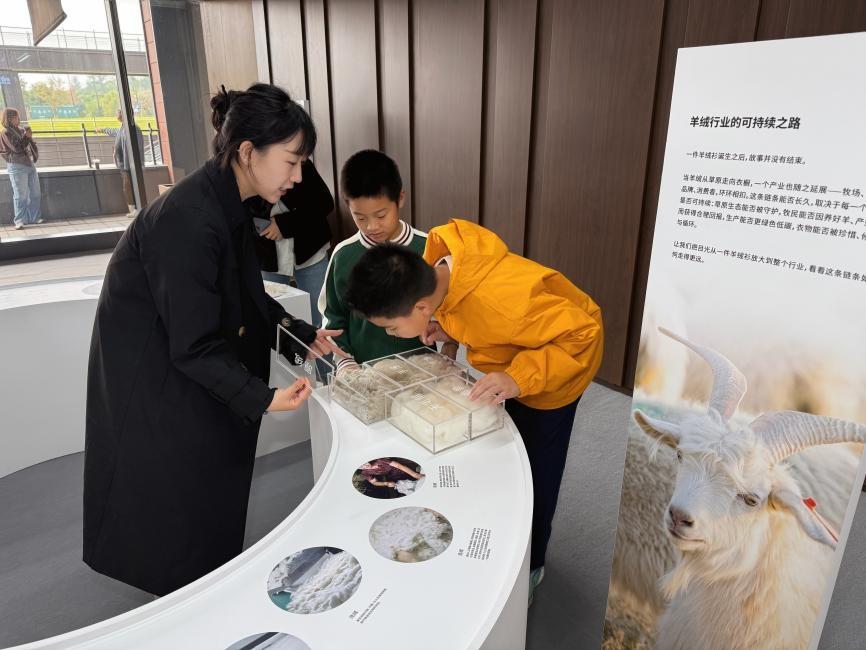
科学集市涵盖流体、电磁、光学等七大主题,参与者可以自由选择项目、动手操作。在科学手工坊,同学们用3D打印笔绘制立体模型,观察热缩片加热成形,在创作中认识材料的变化。

科技沙龙:从认识剑桥到探究羊绒
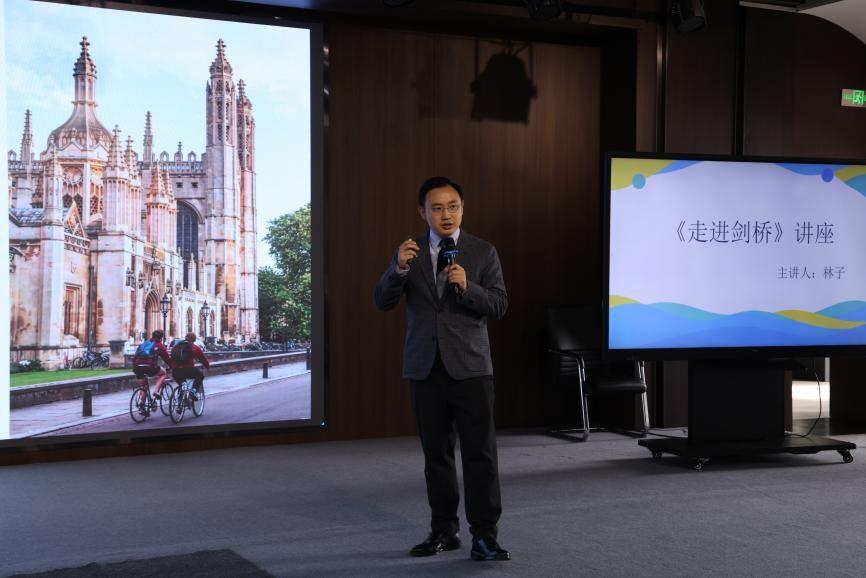
两场科技沙龙将探索的视角延伸到学习与生活。牛剑上海校友会副主席林子在《走进剑桥》讲座中,围绕“成绩之外,还需要什么”,分享了学科兴趣与自主学习的重要性。结合剑桥小组督导教学的特点,讲座介绍了学生如何通过与学科专家讨论深化理解,并鼓励青少年通过阅读、参观和实践拓展课本知识。
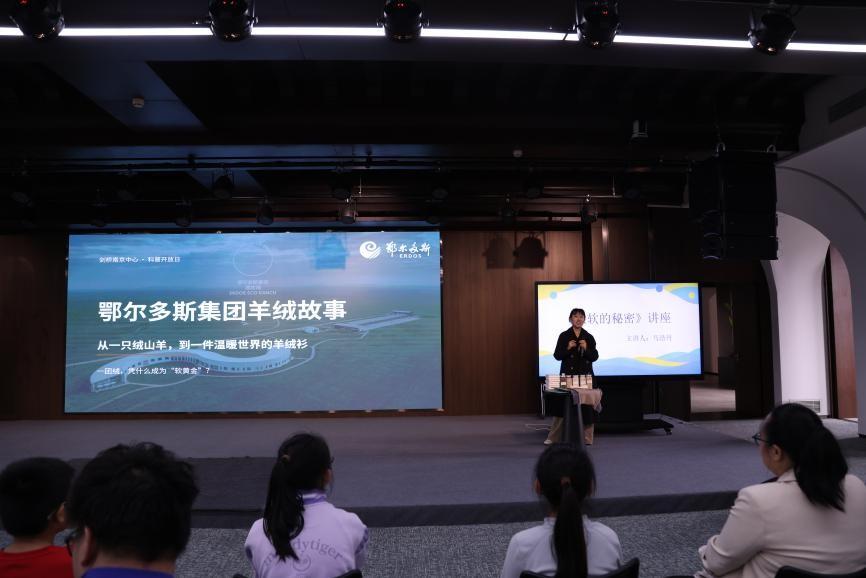
一件羊绒衫为何柔软又保暖?鄂尔多斯集团技术中心山羊绒基础性能研究员马浩丹在《柔软的秘密——从草原到市场,发现羊绒的珍贵》讲座中,从纤维结构讲起,解析羊绒的材料特性,并介绍从原料到成衣的加工过程,揭示科研与工艺如何改变日常生活。
此次开放日是中心发挥科研平台资源优势、开展公益科普,为地方社会赋能的一次实践。通过专业分享、实验展示与互动体验,中心为公众搭建了了解科学、参与探索的交流平台,进一步拉近科研机构与公众的距离。中心将以此次活动为基础,依托自身科研与国际合作资源,加强与科研机构、产业伙伴的协作,持续丰富面向青少年和家庭的科普活动,助力公众科学素养提升。
Inaugural CUNJC Science Open Day Held: Bringing Science Closer to the Public, Letting Curiosity Spark Exploration
On 24 October, the Cambridge University-Nanjing Centre of Technology and Innovation (CUNJC, "the Centre"), together withthe Yangtze River Delta Physics Research Centre and ERDOS Group, hosted its inaugural Science Open Day, attracting more than 220 families, the majority of participants being junior and senior high school students. Opening its research spaces to the public free of charge and with no entry requirements, the Centre offered science salons, experimental demonstrations and hands-on workshops. These enabled visitors to engage with science at close quarters and fostered young people’s curiosity for exploration.
Experiments and Interaction: Discovering Through Hands-on Activities
A superconducting material levitating above a track drew students closer for a look. During the Fantastic Science Journey show, clouds of vapour rising from liquid nitrogen experiments drew gasps of amazement from the audience. The Power of Air show demonstrated the force of invisible air through experiments such as an "air cannon". These striking demonstrations, accompanied by explanations, encouraged participants to move beyond asking "What did we see?" to asking "Why does it happen?"
The science fair covered seven major themes, including fluids, electromagnetism, and optics. Participants were free to join whichever activities interested them and try them out hands-on.In the science workshops, students created three-dimensional models using 3D printing pens and watched heat-shrink plastic take shape when heated, learning how materials change during creation.
Science Salons: From Understanding Cambridge to Exploring Cashmere
Two science salons extended the scope of exploration to learning and daily life. In the lecture "Understand Cambridge", Zi Lin, Vice-President of the Oxford and Cambridge Alumni Association in Shanghai, highlighted the importance of subject interest and self-directed learning, focusing on the question "What else is needed beyond grades?" Drawing onCambridge’s small-group supervision system,the lecture introduced how students deepen their understanding through discussions with subject experts, and encouraged young people to expand their knowledge through reading, visiting and practising.
What makes a cashmere jumper so soft and warm? In the lecture "The Secret of Softness: From Grassland to Market — Discovering the Special Value of Cashmere", Haodan Ma, a researcher specialising in the fundamental properties of cashmere at the Technology Centre of ERDOS Group, began with fibre structure, analysed the material characteristics of cashmere, and explained the processing from raw materials to finished garments, revealing how scientific research and craftsmanship change everyday life.
The Open Day was a practical step in leveraging the Centre’s strengths as a scientific research platform to deliver public science outreach and empower the local community. Through expert lectures, experimental demonstrations and interactive activities, the Centre provided a platform for the public to learn about science and engage in exploration, bridging the gap between research institutions and the wider community. Building on this event, the Centre will draw on its research capabilities and international cooperation resources to deepen collaboration with research institutions and industry partners. It will expand its science engagement activities for young people and families, and help improve public scientific literacy.
(来源:科技信息网)